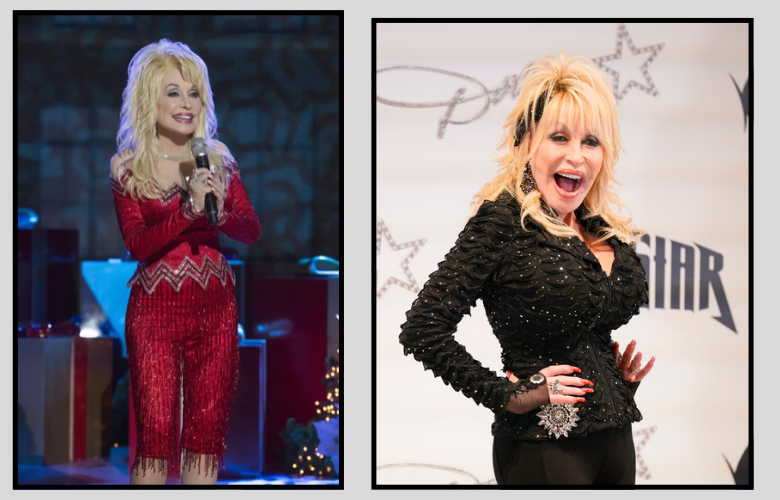

Dolly Parton built a substantial fortune through country music, songwriting, entertainment, and business ownership. Forbes estimated her net worth at approximately $450 million in 2025, before her death on August 25, 2026, at age 80. Her wealth reflected decades of recording success, valuable songwriting rights, and an ownership interest in Dollywood, the Tennessee theme park she helped develop. Unlike performers who depend primarily on touring income, Parton created several sources of long-term revenue. Understanding her finances requires looking beyond album sales to the intellectual property and businesses that contributed to her estimated fortune.
The story behind Dolly Parton’s wealth began in rural Tennessee, where she grew up in a large family with limited financial resources. After moving to Nashville as a teenager, she developed a career as a songwriter before establishing herself as a recording artist, actress, and entrepreneur. Songs such as “Jolene” and “I Will Always Love You” became valuable compositions with lives beyond their original releases. Her investments, publishing rights, and entertainment ventures helped build financial security across generations. Although the precise value of her estate has not been publicly confirmed, available reporting explains the principal sources behind her estimated wealth.
Instant Bio
| Profile Detail | Information |
|---|---|
| Full Name | Dolly Rebecca Parton |
| Date of Birth | January 19, 1946 |
| Date of Death | August 25, 2026 |
| Age at Death | 80 |
| Birthplace | Pittman Center, Tennessee, United States |
| Nationality | American |
| Profession | Singer, songwriter, actress, author, entrepreneur |
| Parents | Robert Lee Parton Sr. and Avie Lee Owens |
| Siblings | She grew up in a family of 12 children |
| Spouse | Carl Dean |
| Marriage Year | 1966 |
| Children | None |
| Career Beginning | Music and songwriting in childhood; professional career in Nashville |
| Major Breakthrough | Country music recordings and television appearances |
| Signature Songs | “Jolene,” “9 to 5,” “I Will Always Love You” |
| Major Business Interest | Dollywood |
| Philanthropic Initiative | Dolly Parton’s Imagination Library |
| Estimated Net Worth | Approximately $450 million, Forbes estimate for 2025 |
What Was Dolly Parton’s Net Worth?

Dolly Parton net worth was estimated at approximately $450 million by Forbes in 2025. This valuation placed her among America’s wealthiest self-made women and reflected the combined value of her music-related assets and business interests. It was an estimate of her wealth before her death, not a published valuation of her estate.
The figure attracted attention because Parton earned money across several industries throughout her career. Her songwriting catalogue, recording work, and interest in Dollywood were central to her financial position. She also developed projects in publishing, film, television, and consumer products.
There is an important distinction between an estimated net worth and the amount an estate ultimately distributes to beneficiaries. Assets may be held through companies or trusts, while debts, taxes, expenses, and ownership arrangements can affect the final calculation. No publicly confirmed final estate valuation should be assumed to equal the earlier $450 million estimate.
How Dolly Parton Built Her Fortune
Parton began developing her career long before she became a major recording artist. Her early work in Nashville gave her opportunities to write songs professionally, build industry relationships, and establish her identity as a performer. These foundations later supported several different income streams.
Her songwriting ability became a significant financial advantage because she created material that other artists could record. Successful compositions can generate royalties from recordings, streaming, broadcasts, public performances, and licensing, depending on the rights involved. This helped her earn money beyond direct payments for singing.
Her recording career brought album sales, touring opportunities, and television appearances. As her audience expanded, she added film roles, publishing projects, and commercial partnerships. Each new area provided opportunities to strengthen her business position.
The growth of Dolly Parton’s net worth was therefore linked to long-term ownership and diversification. Instead of relying exclusively on performance fees, she developed intellectual property and business interests that could retain value after individual projects ended. That combination helps explain the scale of her reported fortune.
Music Royalties and the Value of Her Songs
Parton wrote thousands of songs during her career, creating a catalogue with commercial value across different generations. Her compositions include “Jolene,” “Coat of Many Colors,” and “I Will Always Love You.” These works remain important to understanding Dolly Parton’s net worth because successful songwriting can generate income long after a song’s original release.
Forbes estimated her music catalogue’s value at approximately $120 million in its 2025 reporting. This was a reported valuation of the catalogue, not a public statement of the exact cash income it produced each year. Catalogue values can change with licensing opportunities, market conditions, and the rights included in an asset.
Parton wrote “I Will Always Love You” and released her own recording in 1974. Whitney Houston’s later version, released for The Bodyguard soundtrack, became a major international hit. The song’s continued commercial use demonstrated the lasting value of Parton’s work as a songwriter.
Royalties vary according to publishing ownership, recording rights, licensing contracts, and the way music is used. Streaming revenue, public performances, radio broadcasts, and commercial placements do not all pay the same rates. Therefore, claims about a precise annual royalty income should be treated cautiously unless supported by reliable financial reporting.
Her catalogue also illustrates why songwriting can be a more durable financial asset than a single performance contract. A song may be recorded, licensed, performed, and rediscovered repeatedly. Parton’s work gave her a continuing connection to the music industry even when she was not personally performing.
Dollywood and Her Business Investments
Dollywood became one of the most important parts of Parton’s business portfolio after she partnered with the Herschend family to develop the theme park in Pigeon Forge, Tennessee, in 1986. The attraction grew from an existing park into a major tourism destination associated with the Great Smoky Mountains, regional culture, live entertainment, and family activities. Her involvement was more than a celebrity endorsement: she held an ownership interest in the Dollywood Company, giving her a stake in the business itself. Forbes identified that interest as a major contributor to her estimated fortune, alongside the value of her music catalogue. The company’s wider operations include theme park attractions, water-park facilities, lodging, and related visitor experiences, although business revenue should not be confused with Parton’s personal earnings. Publicly available information does not establish precisely how much she received from Dollywood in each year or the exact value of every associated asset. The park nevertheless demonstrates how a recognisable personal brand, a regional connection, and a long-term operating partnership can create an asset with value beyond an entertainment career.
Other Income Sources Behind Her Wealth
Film and television expanded Parton’s career beyond recorded music. She appeared in productions including 9 to 5, The Best Little Whorehouse in Texas, and Steel Magnolias, earning recognition as both a performer and an entertainer with a distinctive screen presence.
Her role in 9 to 5 also connected her music with her acting career. The film’s title song became another major success, demonstrating how a composition could support several aspects of a project. Such crossover opportunities helped broaden the commercial reach of her work.
Publishing provided another route to audiences. Parton released books for adults and children, and her projects included Run, Rose, Run, a novel co-written with James Patterson. Book sales and related agreements can contribute income, although the terms of her individual publishing contracts were not all publicly disclosed.
Her commercial activities also extended into branded products. Dolly Beauty, for example, brought her name into the beauty market, while other partnerships connected her brand with products and consumer experiences. The financial contribution of each venture cannot be reliably calculated without published sales and ownership information.
These activities help explain why Dolly Parton’s net worth cannot be attributed to music royalties alone. Her career connected entertainment with publishing, licensing, consumer products, and business investment. The value of each area depends on its ownership structure and commercial performance.
Parton’s public image also helped her business ventures reach audiences beyond country music listeners. However, brand recognition does not automatically translate into personal profit. Licensing fees, production costs, contractual arrangements, and the share of a business she owns all influence the financial result.
Her work as a songwriter gave her a different position from artists who primarily perform material written by others. Creating songs allowed her to develop intellectual property with potential for future licensing and recordings. The rights attached to each composition determine how that value translates into income.
The same principle applies to film, television, books, and branded products. Some projects pay a fee, while others may involve royalties, ownership, or shared profits. Without public financial statements for each venture, it is not possible to assign a precise dollar amount to every income source.
Taken together, these ventures diversified the financial foundation behind Dolly Parton’s net worth. Her career involved creative work, business partnerships, and long-term assets, with the relative importance of each source changing over time. The available public estimates offer an overall picture rather than a complete account of her private finances.
Philanthropy, Family, and Her Estate
Parton’s financial story also includes substantial charitable work. She founded Dolly Parton’s Imagination Library in 1995 to encourage childhood literacy by providing books to young children. The programme expanded internationally and became one of her most recognised philanthropic initiatives.
She donated $1 million to Vanderbilt University Medical Center in 2020 to support COVID-19 research. Her charitable work also included support for disaster relief, education, and community projects. These contributions reflect uses of her resources beyond commercial activity.
Parton was married to Carl Dean from 1966 until his death in March 2025. The couple had no children, but details about inheritance and the distribution of her assets should not be assumed from family circumstances alone. The final estate value, beneficiaries, and any private trust arrangements require reliable public documentation.
What Her Fortune Means Today
The reported estimate for Dolly Parton’s net worth provides a useful starting point, but it should not be mistaken for a complete inventory of her estate. The $450 million figure published by Forbes referred to her wealth in 2025, before her death in August 2026. A final valuation could differ because of taxes, liabilities, asset values, ownership arrangements, and estate expenses.
Her financial position was built across decades, with songwriting and Dollywood among the most important assets identified in public reporting. Those assets are different in nature: a music catalogue can generate licensing income, while a theme park interest depends on an operating business and its financial performance. Neither can be valued accurately from public popularity alone.
Her estate may continue to receive revenue from music, licensing, and existing business interests, subject to ownership and contractual arrangements. The continuation of a song’s commercial use does not necessarily mean every payment goes directly to the estate. Rights may be shared with publishers, record labels, partners, or other parties.
Key points for understanding her financial legacy include:
- Reported fortune: Forbes estimated her net worth at approximately $450 million in 2025.
- Songwriting catalogue: Her compositions created long-term licensing and royalty opportunities.
- Dollywood: Her ownership interest connected her wealth to a major tourism business.
- Other ventures: Film, television, publishing, and branded products broadened her income sources.
- Estate valuation: A confirmed final valuation and full distribution details have not been established in the cited public estimate.
- Philanthropy: Her literacy work, research donations, and community support formed a separate part of her legacy.
The value of Parton’s music also extends beyond the income it generates. Her songs have been recorded by other performers, introduced to new audiences, and used across entertainment formats. Those continuing uses can preserve commercial relevance even as the original artist’s career comes to an end.
Dollywood and her other business interests present a different question: how ownership and management will shape their future. Existing companies can continue operating under their own leadership, but their performance depends on business decisions, market demand, and operating costs. Public information about Parton’s estimated fortune does not settle every question about the future management of those assets.
The most reliable conclusion is that Parton built substantial wealth through a combination of creative ownership, business investment, and a long entertainment career. Her reported fortune offers a broad measure of financial success, while the complete details of her estate remain a separate matter. Any newer valuation should be based on credible reporting rather than assumptions drawn from the earlier estimate.
Frequently Asked Questions
What Was Her Estimated Fortune?
Dolly Parton net worth was estimated at approximately $450 million by Forbes in 2025. This figure predates her death in August 2026 and should not be treated as a confirmed valuation of her estate.
How Did Parton Build Wealth?
She developed wealth through songwriting, recording, entertainment projects, and business investments. Her music catalogue and Dollywood ownership interest were major assets.
What Made Her Catalogue Valuable?
Her songs generated opportunities for recordings, licensing, broadcasts, and public performances. The continued use of compositions such as “Jolene” helped maintain their commercial relevance.
Did She Own Dollywood Shares?
Parton held an ownership interest in the Dollywood Company. The exact financial value of her stake and its treatment within her estate require separate confirmation.
Who Manages Her Estate Now?
Her estate and business interests involve arrangements that cannot be fully established from the earlier net worth estimate. Beneficiaries and distribution details should only be reported when supported by reliable public records.
Conclusion
Dolly Parton’s financial history shows how songwriting, entertainment, and business ownership can work together to build lasting wealth. Forbes estimated her fortune at approximately $450 million in 2025, with her music catalogue and Dollywood interest among its principal components. Her career extended from country music into film, publishing, and consumer products, creating several sources of commercial value. These assets formed part of a broader professional life shaped by creative independence and long-term planning. Although the final value of her estate remains distinct from the earlier estimate, the available reporting provides a clear picture of how her wealth developed.
Her financial legacy is also connected to the charitable causes she supported throughout her life. The Imagination Library encouraged childhood reading, while donations supported medical research and community needs. Her songs continue to be recorded and heard, and the businesses associated with her career may retain commercial value under their existing ownership and management arrangements. These continuing activities do not establish the exact value or distribution of her estate, which requires separate documentation. Taken together, her career demonstrates how intellectual property, business partnerships, and philanthropy can become closely connected over several decades of work.



[…] and Katie first knew each other as children while growing up in East London. Published accounts connect them with schools in the Chingford area, […]